
Player 1Choose player
 P1
PitchVaani comparison tool
Choose any two players from the India and West Indies ODI squad directory, select a format and compare verified career numbers side by side. The snapshot excludes the in-progress Guwahati ODI on 30 September 2026.
Search either 2026 ODI squad, select two different players, then compare the format that answers your question.
P1P2Career statistics are shown for All Formats. Change the dropdown or use a format tab below.
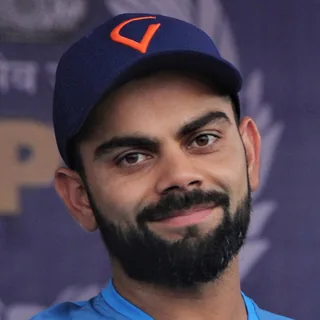

| Virat Kohli | Metric | Shai Hope |
|---|---|---|
| 9,230 | Test runs | 2,518 |
| 15,080 | ODI runs | 6,324 |
| 4,188 | T20I runs | 1,743 |
| 9,336 | IPL runs | 183 |
| 14,218 | T20 runs | 6,092 |
| Virat Kohli | Metric | Shai Hope |
|---|---|---|
| 0 | Test wickets | 0 |
| 5 | ODI wickets | — |
| 4 | T20I wickets | 0 |
| 4 | IPL wickets | 0 |
| 8 | T20 wickets | 0 |
Snapshot excludes the in-progress Guwahati ODI on 30 September 2026. Dashes represent unavailable or inapplicable values, not zero performance.
Every listed squad member is selectable. Where a player has no recorded appearance in a format, the comparison uses a dash instead of manufacturing an average or performance.
Select a card to add that player to the next active comparison slot.
Select a card to add that player to the next active comparison slot.
A useful comparison is not a single leaderboard. It separates formats and distinguishes batting volume, scoring rate and bowling output so readers can answer a specific cricket question.
Test, ODI, T20I, IPL and overall T20 records are displayed separately. This prevents an IPL record from being mistaken for a complete T20 career.
A wicketkeeper-batter, specialist bowler and all-rounder contribute differently. Use batting and bowling tables together rather than treating runs as the only answer.
A dash means unavailable or inapplicable. For example, no IPL appearance is not presented as a zero batting average, and unsupported bowling figures stay blank.
These curated pages are indexable because they provide stable, complete comparison views. The full 30-player directory remains available in the interactive selector without generating hundreds of thin URLs.
The tool separates Test, ODI, T20I, IPL and overall T20 records. IPL is shown separately because IPL matches are already included within a player’s broader T20 career.
A dash means the cited snapshot does not provide an applicable value or the player has no recorded appearance in that format. PitchVaani does not convert unavailable data into a zero average.
No. Highlighting identifies the stronger displayed value for one metric. Roles, opportunities, opposition, era and match context still matter when interpreting a comparison.
No. The directory supports the complete listed squad interactively, while only a small curated set of useful comparison pages is indexable. This avoids publishing hundreds of thin pages.