31 researched venue records across 8 statesHow we verify grounds
Stadium Overview

Wankhede Stadium, Mumbai

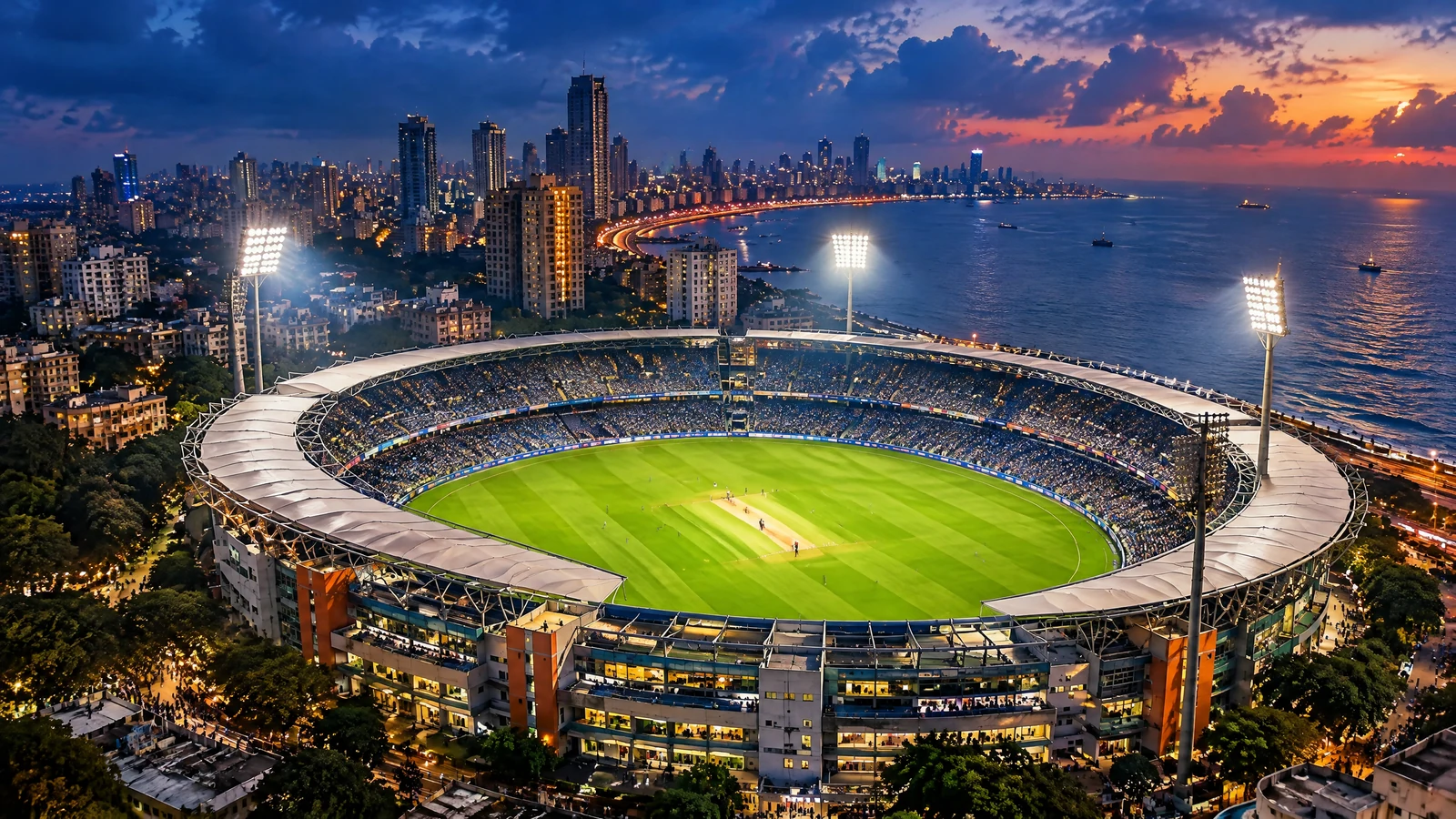
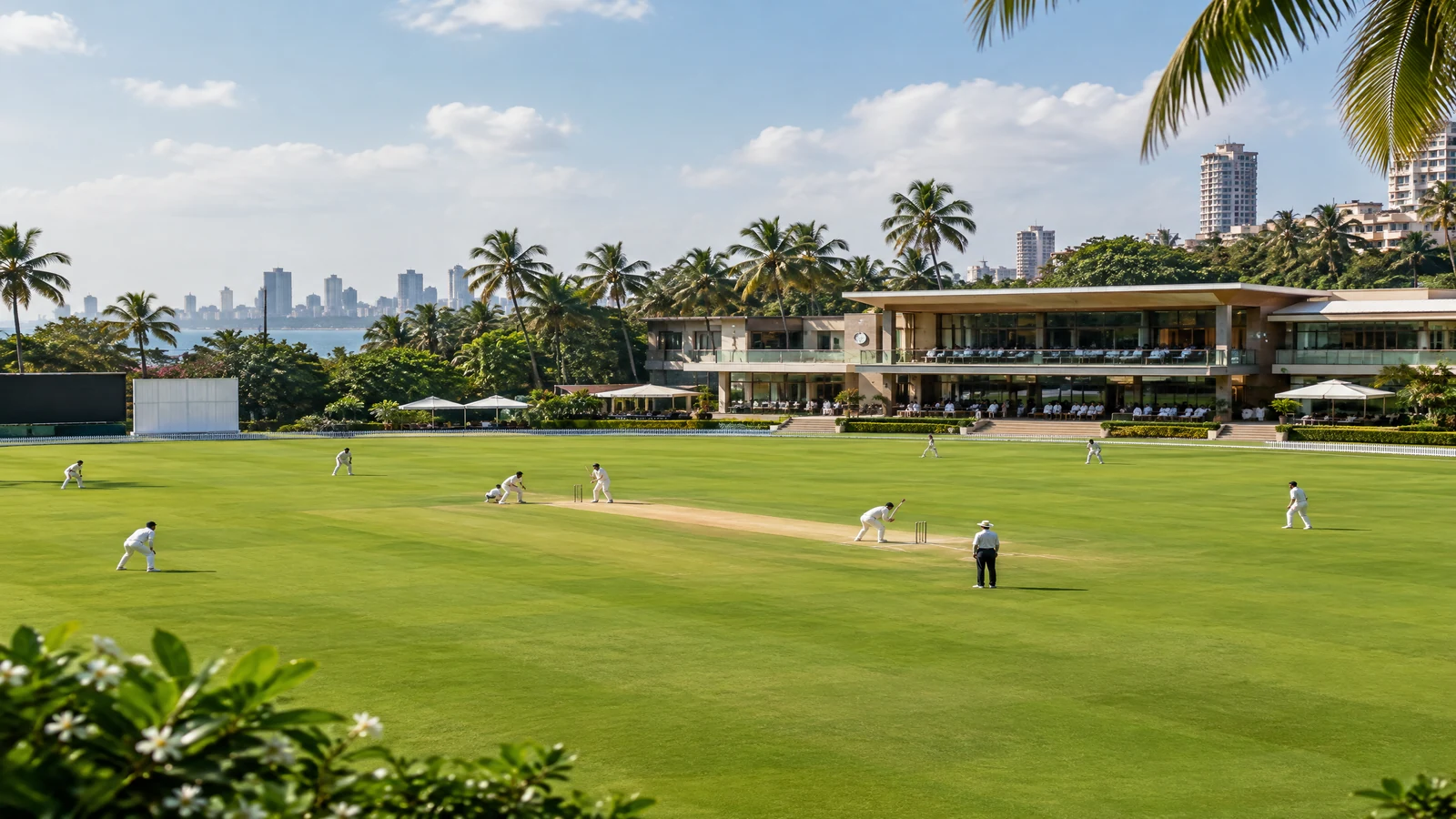
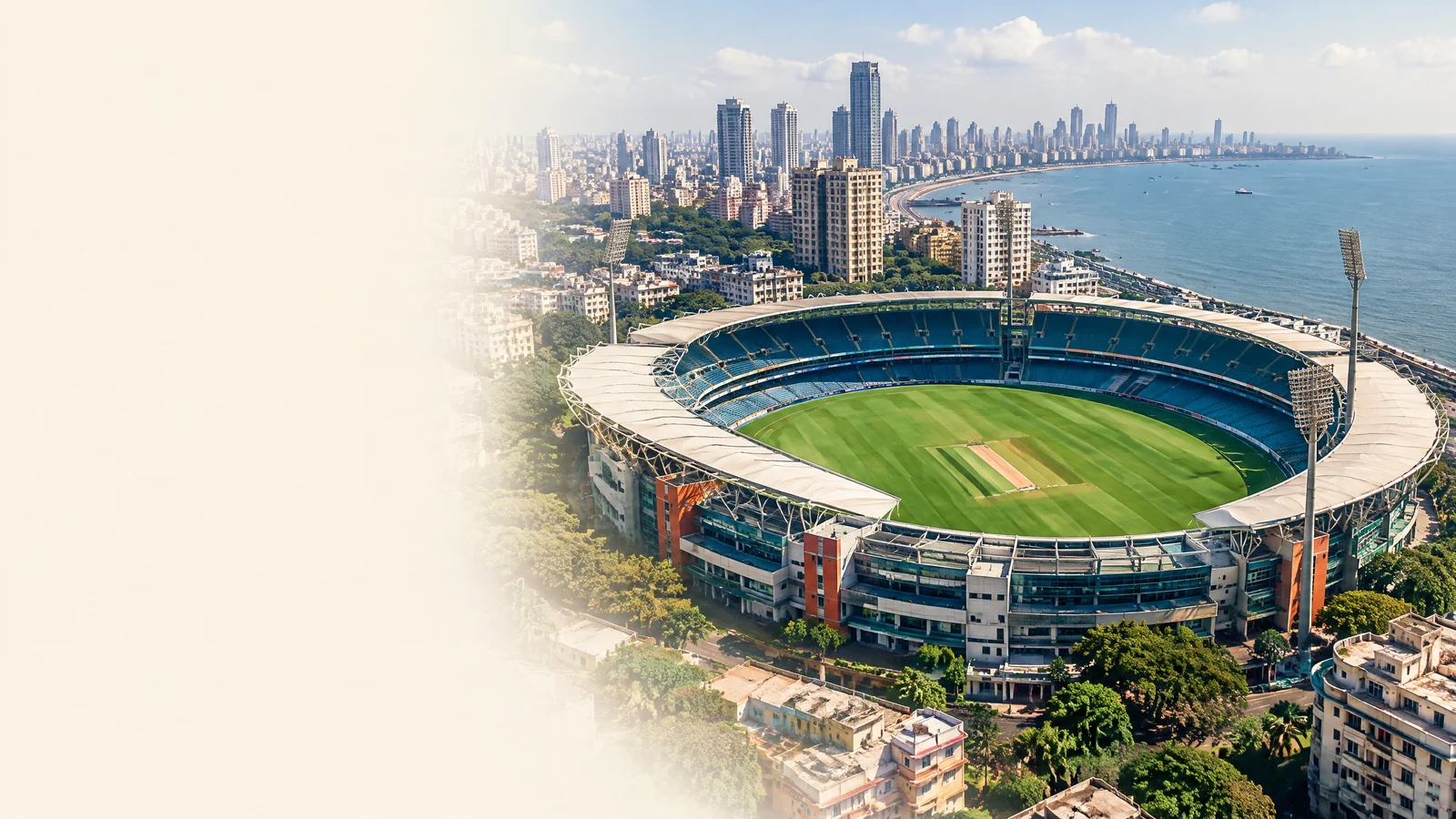
Wankhede Stadium, Mumbai is a historic international venue in Churchgate. Home to Mumbai and Mumbai Indians, it has hosted Test, ODI, T20I and IPL cricket, including India’s 2011 World Cup final.

Wankhede Stadium cricket ground in Mumbai
Wankhede Stadium · Mumbai
Establishment
1974
Owner
MCA
Operated By
MCA
Home Teams
Mumbai · Mumbai Indians
Surface
Red Soil
Seating Capacity
33,500
Format
Test, ODI, T20, IPL
Explore the venue

Explore Wankhede Stadium

From pitch behaviour and historic milestones to match records and visitor access, explore the main Wankhede Stadium Mumbai details through this connected guide.

Wankhede Stadium pitch conditions editorial illustration

Wankhede Stadium Pitch Conditions

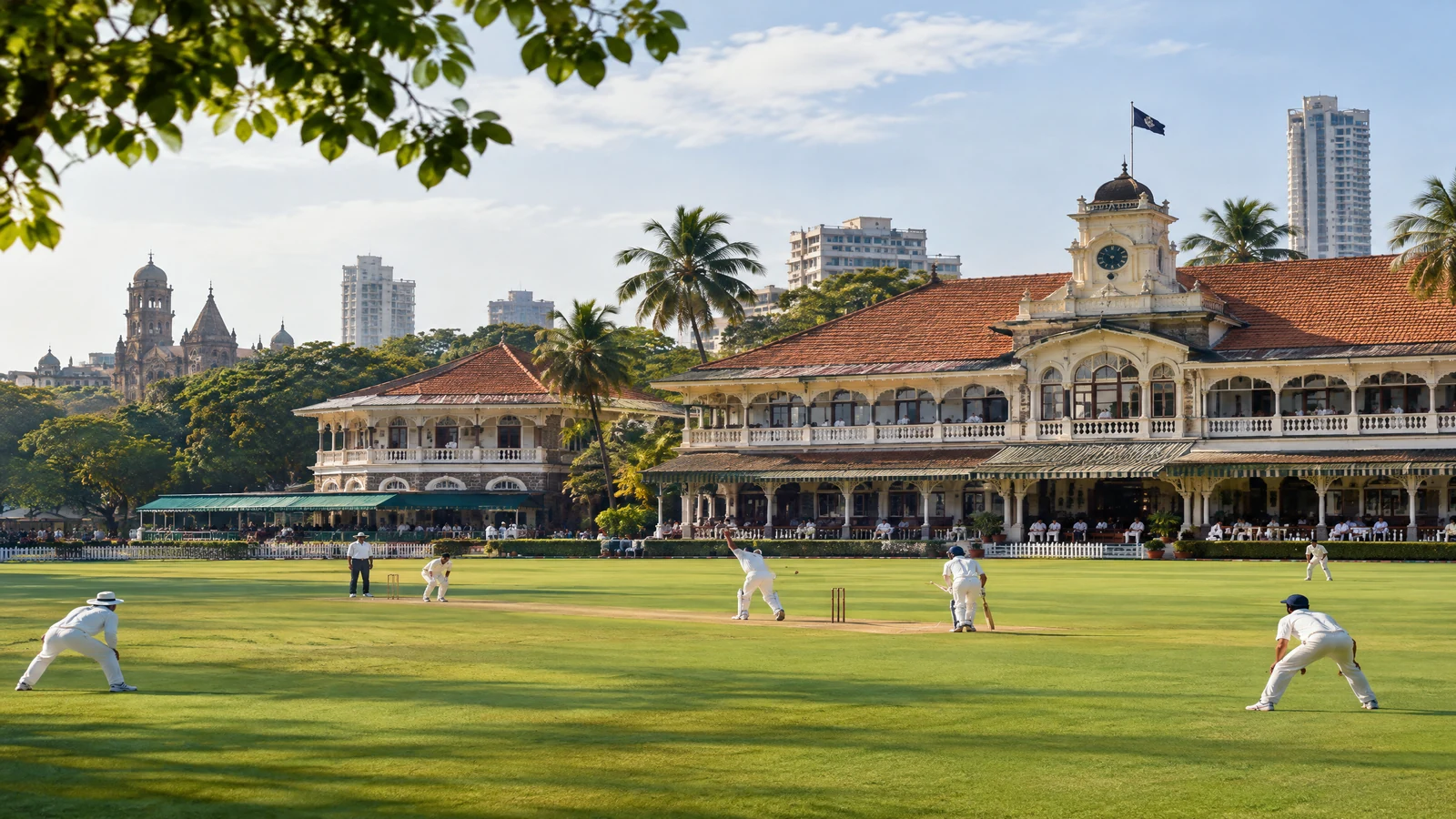
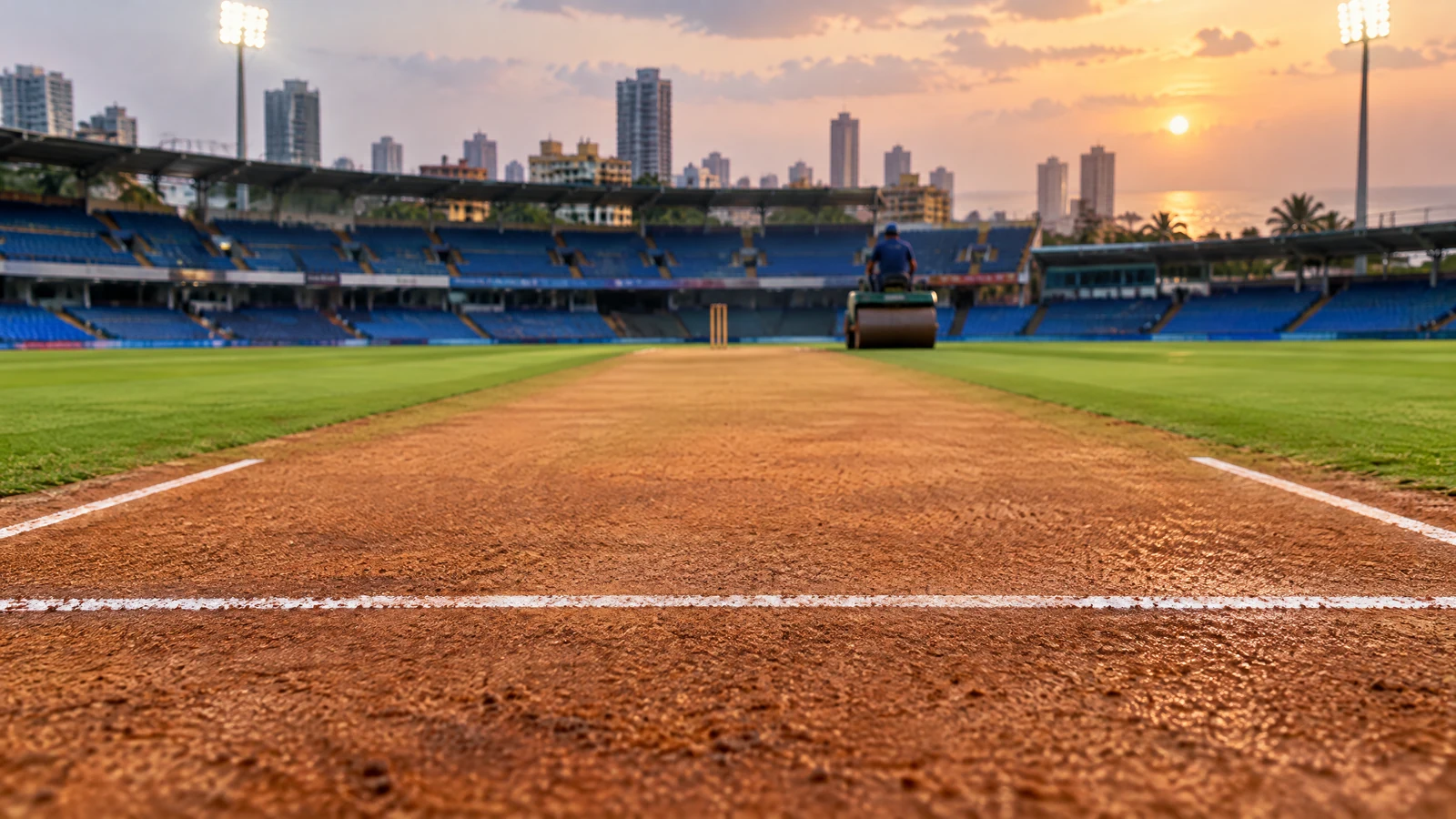
Wankhede is associated with red-soil pitches that can provide true bounce when fresh. Coastal air may help early movement, while wear can bring spin and variable bounce into play.

  • Nature: Red-soil pitches with generally true bounce.
  • Pace: Seam and swing can matter early in humid or evening conditions.
  • Spin: More influential as the surface wears in longer matches.
  • Boundary: Rope positions change with the strip and event setup.
Detailed guide coming soon
History of Wankhede Stadium editorial illustration

History of Wankhede Stadium

Established
1974
Named after
Barrister S. K. Wankhede
First Test
India v West Indies, 23–29 Jan 1975
Rebuilt for
2011 ICC Men’s Cricket World Cup final

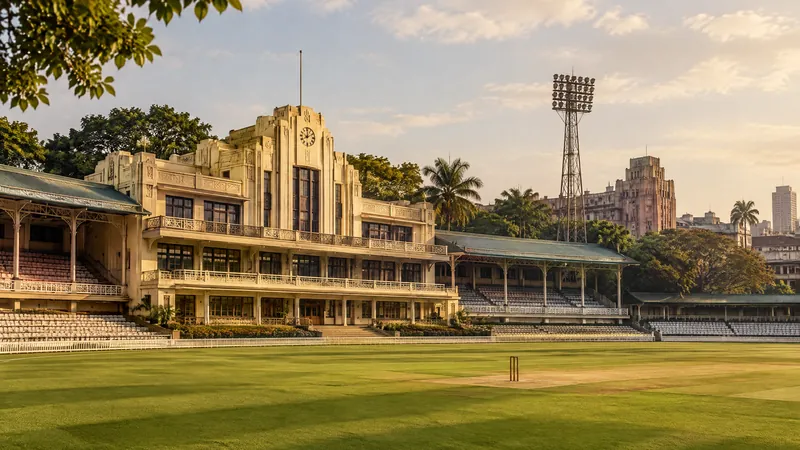
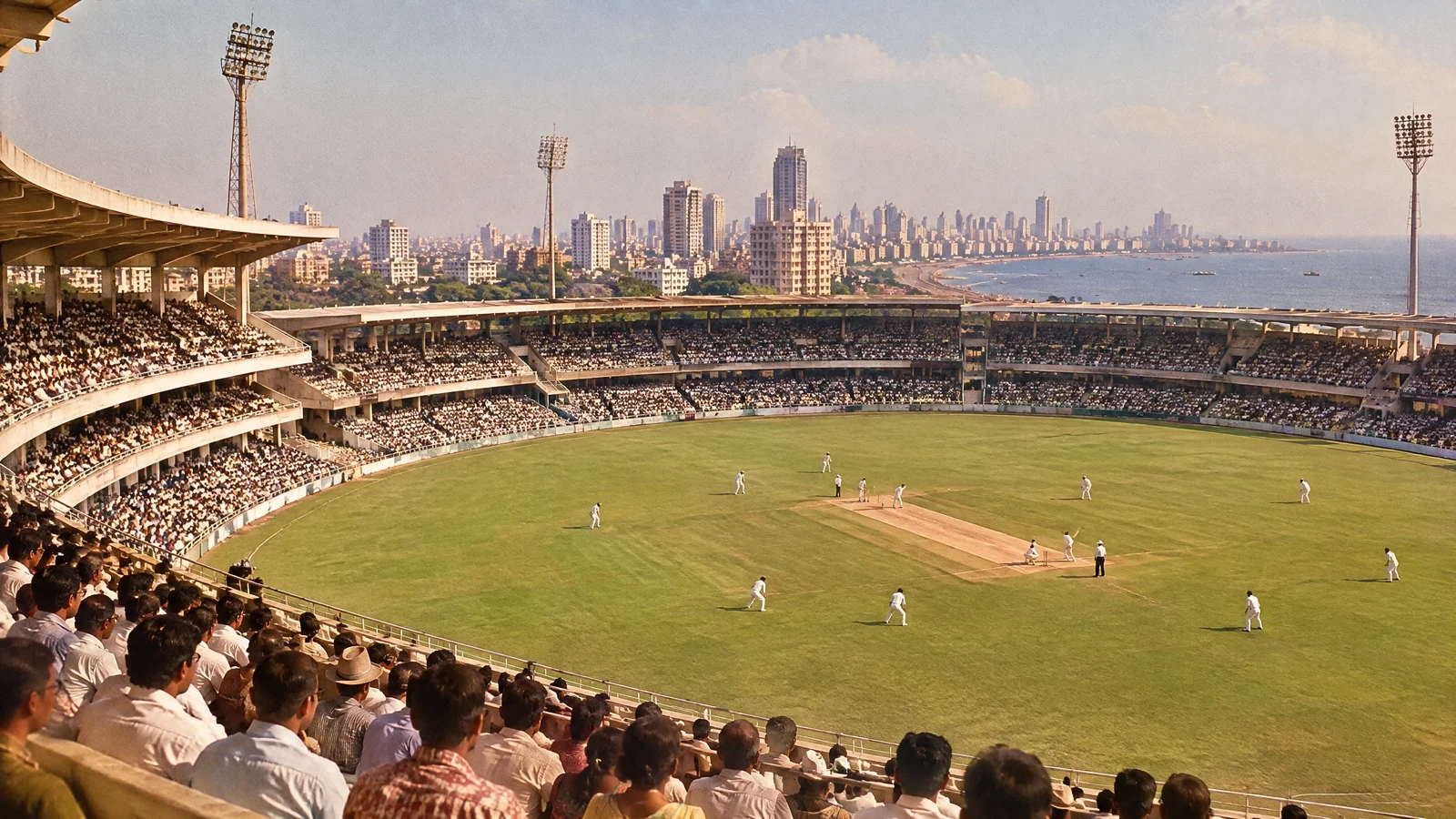
Mumbai’s cricket association built Wankhede after a dispute over Brabourne Stadium. A 2009–11 redevelopment added individual seating and modern spectator and media facilities.

Read Wankhede Stadium history
Wankhede Stadium weather and records editorial illustration

Wankhede Stadium Weather & Records

Climate
Warm and humid during the main cricket season
Coastal influence
Sea breeze and humidity can affect conditions under lights
Monsoon
Heavy seasonal rain can disrupt outdoor cricket

Records include India’s 631 Test innings, South Africa’s 438/4 ODI score, West Indies’ 254/6 men’s T20I high and Sunrisers Hyderabad’s 249/4 IPL record at the research cutoff.

Detailed guide coming soon
How to reach Wankhede Stadium editorial illustration

How to Reach Wankhede Stadium

Railway
Churchgate is the nearest practical suburban railway station.
Metro
Churchgate station on Mumbai Metro Line 3 is open.
Road
Use the official D Road address; match-day diversions may apply.
Airport
Journey varies with terminal, traffic, rain and event rules.
Detailed guide coming soon

Wankhede Stadium Capacity

The current Wankhede Stadium capacity is approximately 33,500 according to the Mumbai Cricket Association. Published figures vary, so this overview retains “approximately” rather than presenting one figure as permanently exact.

Individual Seating

The redeveloped ground uses individual bucket seats instead of the earlier bench-led configuration.

Cantilever Roof

A suspended roof covers much of the seating without placing columns directly in spectators’ sightlines.

Named Stands and Gates

MCA identifies stands named after Vijay Merchant, Sunil Gavaskar and Sachin Tendulkar; Polly Umrigar and Vinoo Mankad are commemorated in gate names.

Wankhede Stadium Dimensions

MCA does not publish one permanent set of official dimensions. Boundary ropes can move with the pitch, format and event setup.

Location and Map

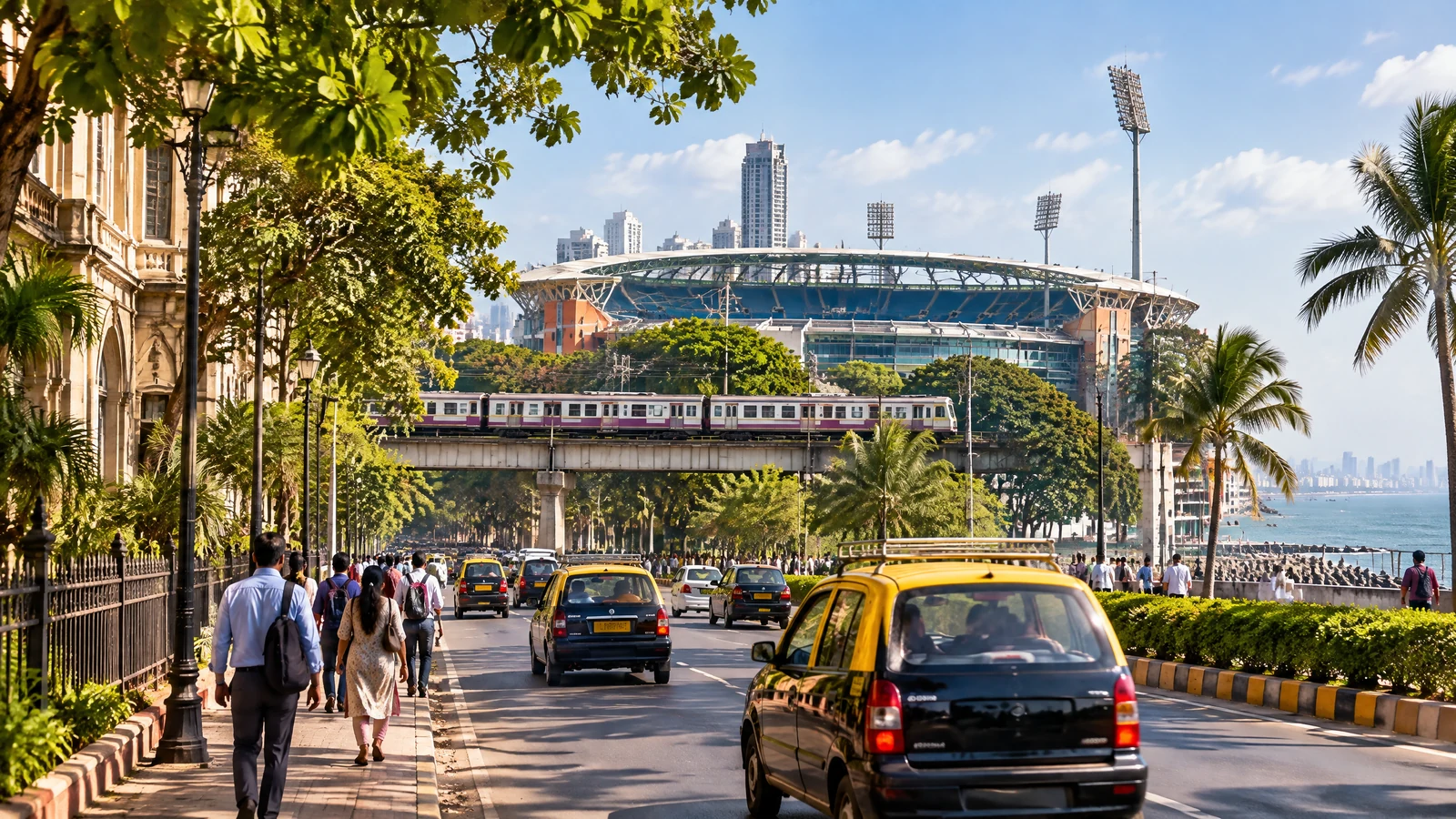
Wankhede Stadium location: Mumbai Cricket Association, Wankhede Stadium, D Road, Churchgate, Mumbai, Maharashtra 400020.

  • •D Road, Churchgate
  • •South Mumbai, Maharashtra 400020
  • •Near the Marine Drive waterfront
  • •Churchgate railway station is the nearest practical rail landmark
Get Directions →

Reviews for Wankhede Stadium

4.3/5

Tripadvisor traveller rating

Overall rating4.3 out of 5
4.3 out of 5

Based on 443 traveller reviews displayed by Tripadvisor when checked on 25 September 2026. Ratings can change. View Tripadvisor listing

Editorial research

Author Bio

Jyoti Bhatia is the founder and editor of PitchVaani. She researches cricket ground histories, pitch conditions, match records and visitor information through source-led editorial research.