The local name comes from the Hyderabad neighbourhood where the ground stands.
History
Rajiv Gandhi International Cricket Stadium History
The Rajiv Gandhi International Cricket Stadium, commonly known as Uppal Stadium, gave the Hyderabad Cricket Association the larger, dedicated home it had been seeking. This history follows the move to Uppal, the 2005 first ODI, the arrival of Test and IPL cricket, and the venue’s World Cup chapter.
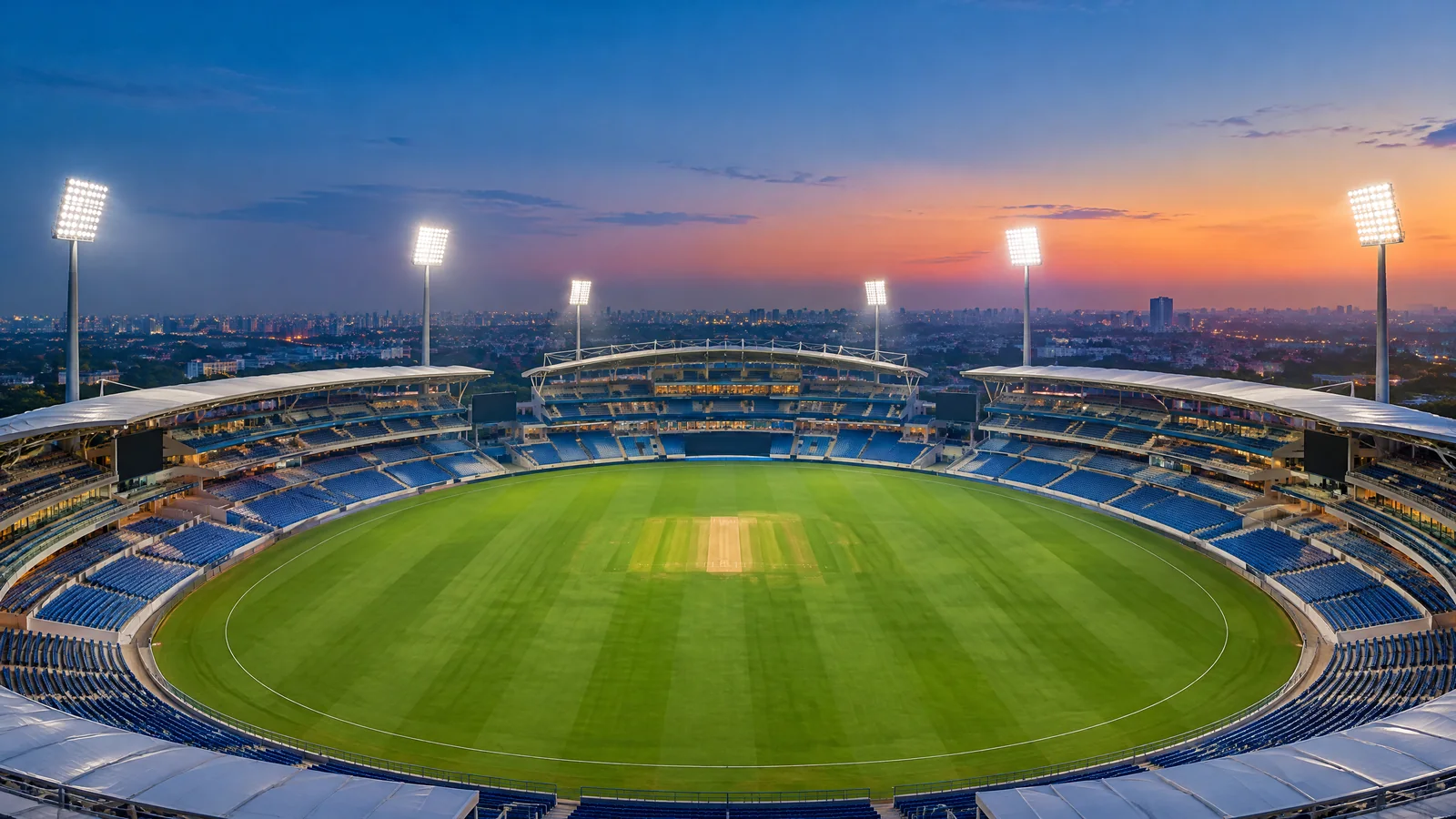
Rajiv Gandhi International Cricket Stadium history begins with a practical problem. Hyderabad already had the centrally located Lal Bahadur Shastri Stadium, but HCA did not have the control or scale it wanted for a long-term international programme. A purpose-built ground in Uppal changed that. The new venue created room for cricket operations, larger crowds, practice areas and day-night matches without forcing the association to work around another stadium authority.
HCA records this as the venue’s original name before the 2005 renaming.
The first ODI established the new ground on India’s international calendar.
Why Rajiv Gandhi International Cricket Stadium Was Built
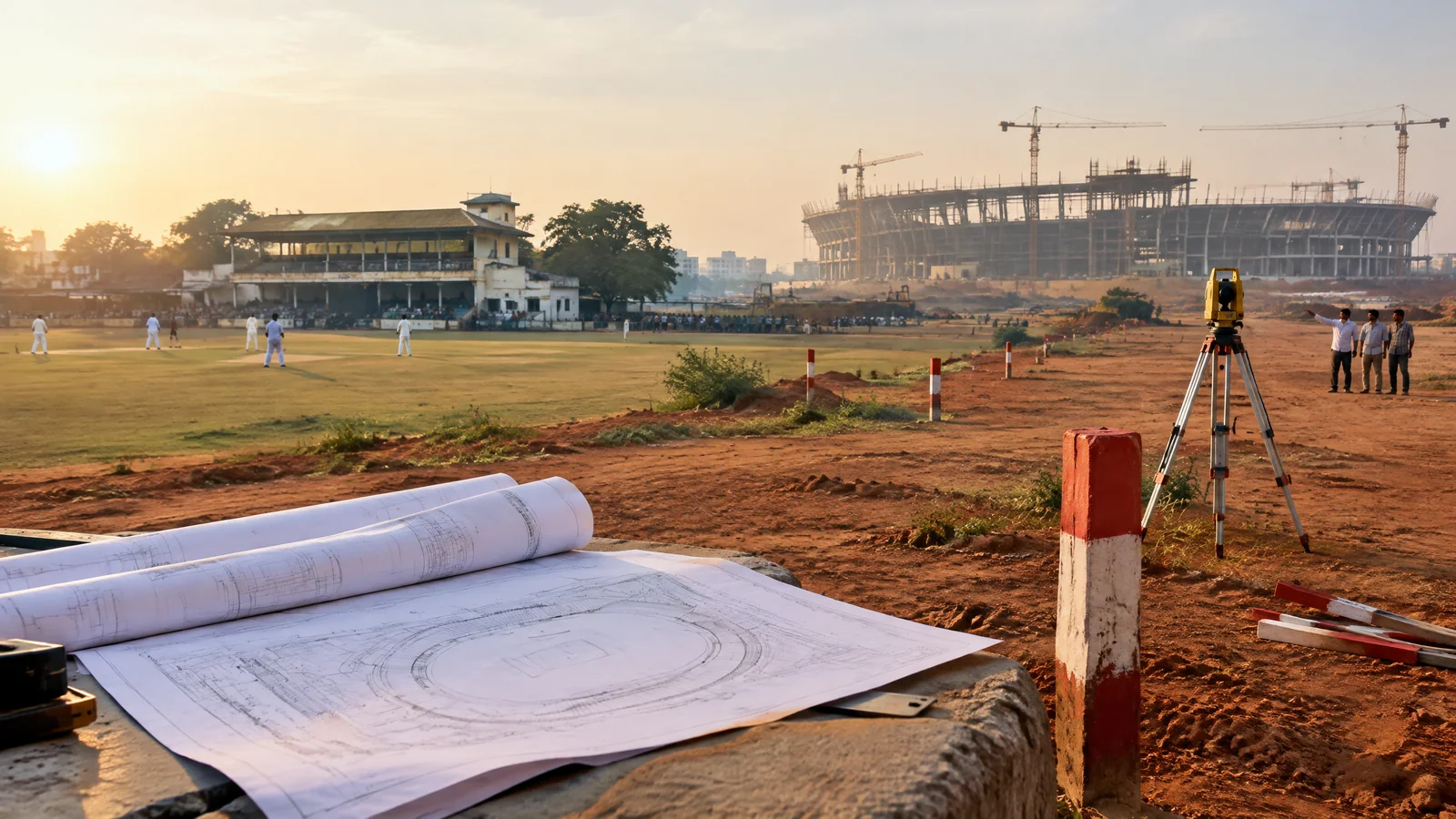
HCA’s own account describes a long-standing need for a bigger, exclusive cricket facility in Hyderabad. The association’s limited access to Lal Bahadur Shastri Stadium made planning difficult, while its smaller footprint restricted the scale of future international events. Uppal offered the space for a dedicated cricket complex rather than an occasional match venue. This was the central decision behind the project: Hyderabad cricket needed a home it could operate, prepare and develop on its own terms.
From Visaka Stadium to the Rajiv Gandhi Name
ESPNcricinfo lists 2004 as the establishment year. Hyderabad Cricket Association records say the ground was first called Visaka International Cricket Stadium and was renamed Rajiv Gandhi International Cricket Stadium in 2005. The name change came while the project was moving from construction into active international use. Rather than treating the two names as different venues, the timeline shows them as consecutive identities of the same Uppal ground.
The First International Match at Uppal Stadium
India met South Africa in the venue’s first ODI. India reached 249/9 after Yuvraj Singh’s 103, but South Africa completed the chase with five wickets in hand. The result mattered less to the stadium’s long-term story than the occasion itself: Hyderabad now had an international cricket venue built specifically for the game. Yuvraj also became the first international centurion recorded at the ground.
Test Cricket Arrives in Hyderabad’s New Home
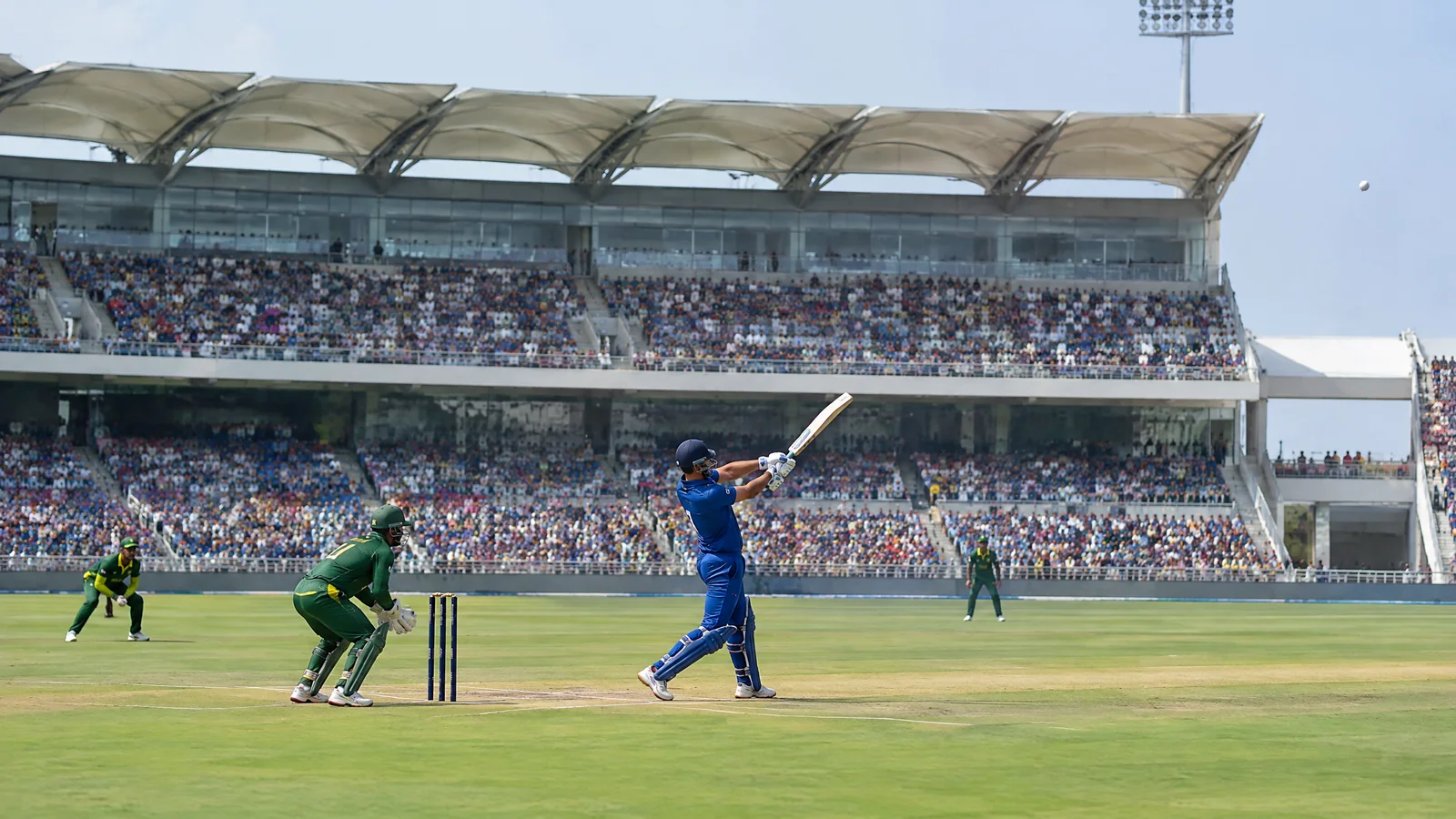
The first Test at Uppal brought India and New Zealand together. New Zealand made 350 and 448/8 declared, while India replied with 472 before closing on 68/0 in a draw. Brendon McCullum’s 225 made him Player of the Match; Harbhajan Singh’s 111 from number eight gave the game another unusual landmark. The five-day fixture showed that the new venue could support a full Test schedule, not only limited-overs events.
Sunrisers Hyderabad Begin Their Uppal Chapter
Sunrisers Hyderabad’s first home match at the venue produced an immediate thriller. Royal Challengers Bangalore and Sunrisers both made 130, before the home side won the one-over eliminator. Hanuma Vihari’s unbeaten 44 and economical over earned Player of the Match. That night connected the ground with a new Hyderabad IPL identity, turning the stadium into a recurring seasonal home rather than a venue used only for occasional internationals.
Two IPL Finals, Both Decided by One Run
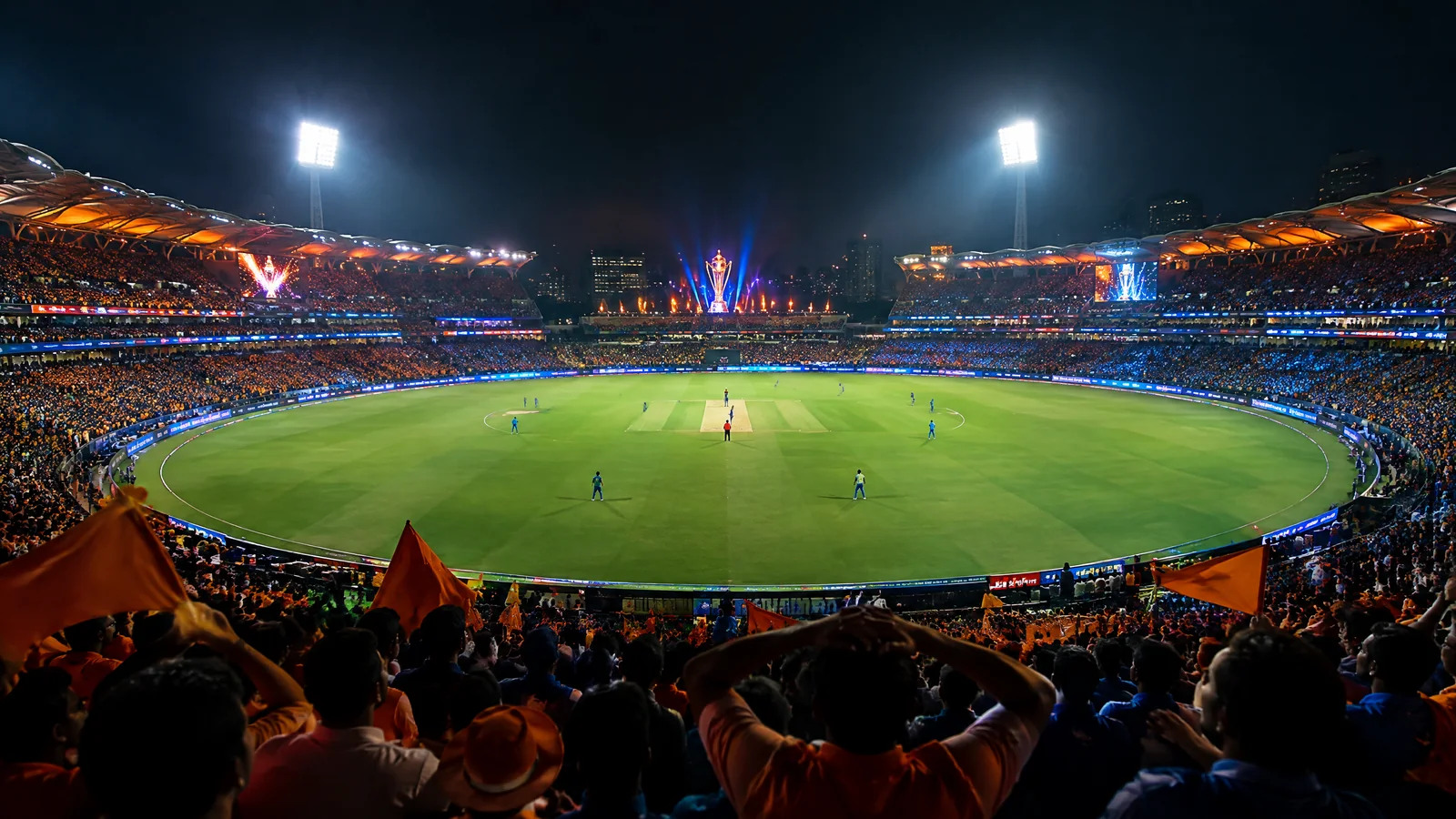
The stadium hosted two of the tightest IPL finals. Mumbai Indians defended 129/8 against Rising Pune Supergiant in 2017, then defended 149/8 against Chennai Super Kings in 2019. Both finals ended with Mumbai winning by one run. Hosting the title match twice in three seasons placed Uppal at the centre of the competition’s biggest night and gave the venue a distinctive pair of final-over finishes.
Rajiv Gandhi International Cricket Stadium Hosts the World Cup
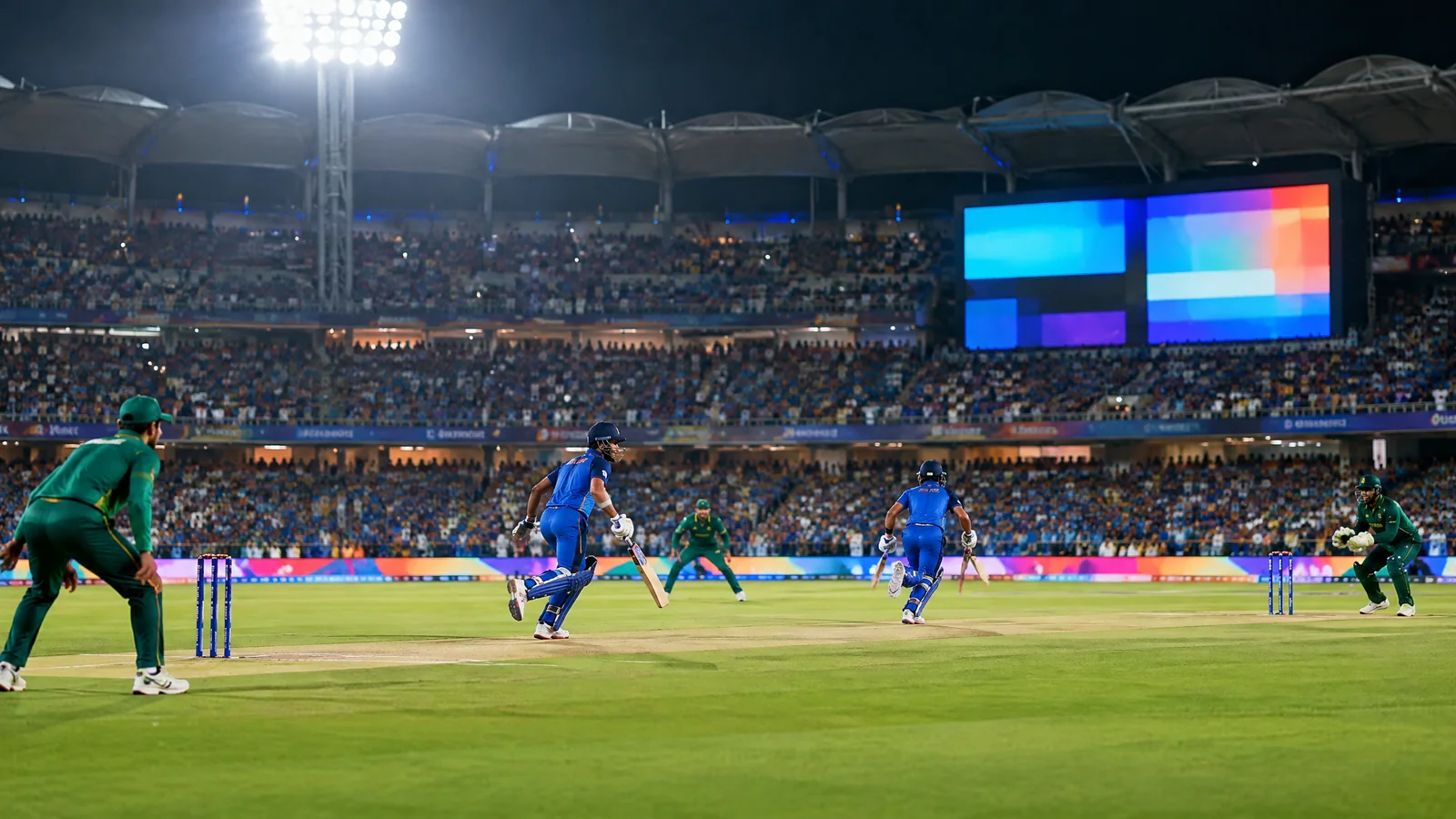
Hyderabad staged three league matches in the 2023 Men’s Cricket World Cup. The final one became the standout: Sri Lanka made 344/9 before Pakistan reached 345/4 in 48.2 overs. Abdullah Shafique scored 113 and Mohammad Rizwan finished unbeaten on 131. The chase was the highest in men’s World Cup history at the time, giving the stadium a record attached to a global tournament rather than only bilateral or IPL cricket.
A New T20I Scoring Landmark
India’s 297/6 against Bangladesh added a fresh chapter one year after the World Cup. ICC recorded it as the highest men’s T20I total by a full-member team at the time and the second-highest overall. Sanju Samson supplied the defining innings with a 40-ball century, while Suryakumar Yadav, Riyan Parag and Hardik Pandya kept the scoring rate high. The match showed how the venue’s history continues to grow through individual performances as well as major events.
PitchVaani history note: the most useful way to read this timeline is as a change in purpose. The ground began as HCA’s answer to a venue-control problem, became an international stadium in 2005, gained a regular IPL identity through Sunrisers Hyderabad and later handled World Cup cricket. That progression explains why Uppal Stadium matters beyond any one scorecard.
Continue exploring Rajiv Gandhi International Cricket Stadium
Use the stadium overview for location, capacity and visitor context. Match-specific readers can open the matches page or records and stats page, while travellers can check how to reach Uppal Stadium. You can also return to Cricket Grounds in Telangana.
Rajiv Gandhi International Cricket Stadium History FAQs
Why was Rajiv Gandhi International Cricket Stadium built?
HCA wanted a larger cricket ground under its own control. The older Lal Bahadur Shastri Stadium was centrally located, but HCA had limited access to it and considered it too small for its long-term international plans.
Why is it commonly called Uppal Stadium?
The name comes from Uppal, the Hyderabad neighbourhood where the ground stands. Uppal Stadium is the common local description; Rajiv Gandhi International Cricket Stadium is the official name.
What was the stadium’s original name?
Hyderabad Cricket Association records say the venue was initially known as Visaka International Cricket Stadium. It was renamed in 2005.
What was the first international match at the ground?
India played South Africa in an ODI on 16 November 2005. South Africa won by five wickets, while Yuvraj Singh scored 103 for India.