
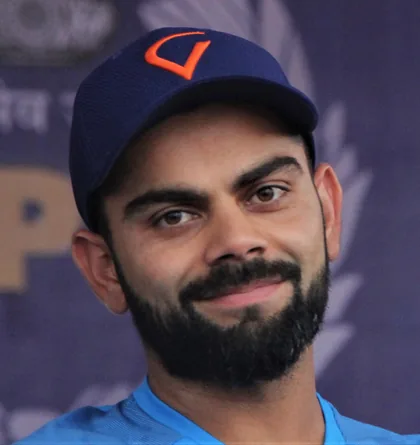

India and New Zealand's five-match ODI series runs from November 4 to November 15, 2026. With matches scheduled across Auckland, Wellington, Hamilton and Mount Maunganui, different playing conditions could create opportunities for lesser-known players to make an impact.
While established names such as Virat Kohli, Rohit Sharma, Shubman Gill and Mitchell Santner will attract most of the attention, five under-the-radar players deserve closer analysis: Auqib Nabi, Anshul Kamboj, Gurnoor Brar, Nathan Smith and Jacob Duffy.
This India vs New Zealand ODI players to watch preview goes beyond player profiles. It compares their international and domestic records, IPL performances, venue statistics, pitch conditions and weather factors to identify which players could perform best at each ground.
India vs New Zealand ODI 2026: Full Schedule
All five matches are scheduled to start at 3:00 PM NZDT (7:30 AM IST).
| Match | Date | Day | Venue | Indian time |
|---|---|---|---|---|
| 1st ODI | November 4 | Wednesday | Eden Park, Auckland | 7:30 AM |
| 2nd ODI | November 7 | Saturday | Hnry Stadium, Wellington | 7:30 AM |
| 3rd ODI | November 10 | Tuesday | Seddon Park, Hamilton | 7:30 AM |
| 4th ODI | November 13 | Friday | Bay Oval, Mount Maunganui | 7:30 AM |
| 5th ODI | November 15 | Sunday | Bay Oval, Mount Maunganui | 7:30 AM |
The series features four different venues, with Mount Maunganui hosting the final two matches.
Official availability note: As of the 4 November 2026 source cutoff, Anshul Kamboj is listed for ODIs 1–3 only, Nathan Smith for ODIs 1–3 only, Auqib Nabi across the full series after being added to the first-three-ODI group, Gurnoor Brar across the full series, and Jacob Duffy across the full series. These are announced squad windows, not guarantees of selection in any playing XI. Provider pages can update asynchronously; this article uses dated source snapshots, with no live feed.
India vs New Zealand ODI Players to Watch 2026: 5 Secret Underdogs
1. Auqib Nabi – India's Pace-Bowling Wildcard
Auqib Nabi is a right-arm medium bowler from Jammu and Kashmir who has built his reputation through domestic cricket. His first-class performances have been particularly impressive, with more than 170 wickets in his career snapshot.
He also made his international ODI debut against the West Indies in September 2026. His addition to India's squad for the New Zealand series gives him another opportunity to establish himself at international level.
Why he could surprise: His domestic wicket-taking record makes him an interesting option if New Zealand's pitches offer seam movement.
2. Anshul Kamboj – India's Bowling All-Round Option
Anshul Kamboj is a right-arm fast-medium bowler from Haryana who can also contribute lower down the batting order.
He made his ODI debut against the West Indies on October 3, 2026, scoring 17 runs from nine balls. He has also taken more than 100 first-class wickets and has experience in the IPL with Chennai Super Kings.
Why he could surprise: His first-class bowling experience and lower-order batting could provide India with additional balance.
3. Gurnoor Brar – The Bounce Specialist
Gurnoor Brar is a tall right-arm fast bowler from Punjab. His height and high-arm action help him generate bounce, making him an interesting option on surfaces offering carry.
He has already represented India in ODI cricket and has taken 13 wickets in eight ODIs in the available dated career snapshot, with best bowling figures of 3/27.
His domestic performances also include 26 wickets in the 2024–25 Ranji Trophy season for Punjab.
Why he could surprise: His ability to extract bounce could become valuable against New Zealand's top-order batters.
4. Nathan Smith – New Zealand's Seam-Bowling All-Rounder
Nathan Smith is a right-arm medium-fast bowler who represents New Zealand in international cricket.
He has experience across ODI and Test cricket and offers lower-order batting support. His ODI record includes 24 wickets in 21 matches, with best bowling figures of 4/42.
Why he could surprise: His combination of seam bowling and batting depth makes him a useful option in New Zealand's home conditions.
5. Jacob Duffy – New Zealand's Wicket-Taking Threat
Jacob Duffy is a right-arm fast-medium bowler known for his ability to generate movement with the new ball.
He has established himself in New Zealand's international bowling attack and has a strong ODI record. His 40 wickets in 24 ODIs make him the leading ODI wicket-taker in this supplied comparison snapshot.
Why he could surprise: His new-ball bowling could be particularly effective against India's experienced top order.
Player Career Statistics: ODI, T20, IPL and Other Formats
The following statistics compare the players across different formats. T20 domestic totals, T20I records and IPL figures are kept separate wherever applicable.
ODI Career Statistics
| Player | Matches | Wickets | Best bowling / sole ODI figures |
|---|---|---|---|
| Auqib Nabi | 1 | 0 | 0/84 |
| Anshul Kamboj | 1 | 0 | 0/82 |
| Gurnoor Brar | 8 | 13 | 3/27 |
| Nathan Smith | 21 | 24 | 4/42 |
| Jacob Duffy | 24 | 40 | 3/35 |
T20 Career Statistics
| Player | T20 matches | Wickets |
|---|---|---|
| Auqib Nabi | 39 | 43 |
| Anshul Kamboj | 55 | 76 |
| Gurnoor Brar | 9 | 10 |
| Nathan Smith | 5 T20Is | 4 |
| Jacob Duffy | 48 T20Is | 62 |
IPL Career Statistics
| Player | IPL matches | Wickets |
|---|---|---|
| Auqib Nabi | 5 | 0 |
| Anshul Kamboj | 25 | 31 |
| Gurnoor Brar | 1 | 0 |
| Nathan Smith | No IPL appearance recorded | — |
| Jacob Duffy | 6 | 9 |
Other Formats: First-Class and List A
| Player | First-class matches | FC wickets | List A matches | List A wickets |
|---|---|---|---|---|
| Auqib Nabi | 47 | 180 | 37 | 56 |
| Anshul Kamboj | 40 | 126 | 36 | 56 |
| Gurnoor Brar | 20 | 67 | 17 | 25 |
| Nathan Smith | 69 | 208 | 76 | 86 |
| Jacob Duffy | 112 | 343 | 109 | 183 |
Statistics are career snapshots from the available player records and may differ by source update date. Domestic T20 figures are not T20I figures. The tables show bowling statistics because bowling is the principal role being compared.
ODI Wickets Comparison: Five Underdogs
A comparison of international ODI wickets highlights the difference in experience between the five players.
| Player | ODI wickets |
|---|---|
| Auqib Nabi | 0 |
| Anshul Kamboj | 0 |
| Gurnoor Brar | 13 |
| Nathan Smith | 24 |
| Jacob Duffy | 40 |
The key takeaway is that Jacob Duffy and Nathan Smith have the strongest established ODI wicket records. Gurnoor Brar is an interesting Indian option, while Auqib Nabi and Anshul Kamboj have smaller international samples.
India vs New Zealand ODI Venue Statistics
This section compares the India vs New Zealand ODI venues using factors such as average first-innings scores, highest totals, and batting-first records. These statistics help identify how each ground has played in previous ODIs and what teams can expect from different venues.
| Venue | ODI matches | Average 1st innings | Average 2nd innings | Batting-first wins | Chasing wins |
|---|---|---|---|---|---|
| Eden Park | 86 | 222 | 194 | 34 | 47 |
| Hnry Stadium | 32 | 232 | 206 | 16 | 14 |
| Seddon Park | 61 | 229 | 200 | 25 | 32 |
| Bay Oval | 32 | 235 | 215 | 15 | 17 |
Venue statistics are historical records and can change as additional matches are played. No-result matches and different historical data snapshots can affect totals.
Average First-Innings Score Comparison
| Venue | Average first innings |
|---|---|
| Eden Park | 222 |
| Hnry Stadium | 232 |
| Seddon Park | 229 |
| Bay Oval | 235 |
Bay Oval has the highest listed average first-innings score among these reported figures, while Eden Park has a lower historical average. Because the underlying ODI-category source does not consistently separate men’s and women’s ODIs, this is context rather than a clean men-only comparison. However, these figures should not be treated as guaranteed scores for the upcoming matches.
Eden Park Pitch Report: Auckland – 1st ODI
Eden Park generally offers a balanced surface, with good batting opportunities once players settle at the crease. The drop-in pitch can provide pace and bounce, while seamers may get some early assistance with the new ball. As the innings progresses, batters can take advantage of the short straight boundaries to score quickly. Bowlers will need to maintain disciplined lines and lengths, particularly in the death overs, to prevent easy boundaries.
Retained venue snapshot (checked 4 November 2026; not a verified men-only dataset):
- Matches: 86
- Average first innings: 222
- Average second innings: 194
- Batting-first wins: 34
- Bowling-first wins: 47
- Highest total: 340/5
Boundary size, grass and ground context
| Ground context | Verified dated detail | Qualification |
|---|---|---|
| Boundary size | Approximately 52–55 m for the shortest straight boundaries from pitch centre | 3 November 2026 secondary report; rope- and pitch-alignment-dependent |
| Grass and pitch | Portable/drop-in cricket pitch; multi-purpose ground context | No 2026 strip grass coverage or soil colour is claimed |
| Surface materials | Portable pitch infrastructure is documented | Soil detail is not invented beyond the source |
Which Underdog Could Perform at Eden Park?
Jacob Duffy: His international experience and ability to move the new ball make him an interesting choice.
Gurnoor Brar: His bounce could challenge batters on a surface offering carry.
Auqib Nabi: If selected, he could benefit from early movement, although his international ODI sample remains limited.
Hnry Stadium Pitch Report: Wellington – 2nd ODI
HNRY Stadium, popularly known as the Cake Tin, features a drop-in pitch that has historically supported batting. However, Wellington’s exposed setting makes wind and rain important match factors, which can influence swing bowling and overall playing conditions.
Retained venue snapshot (checked 4 November 2026; not a verified men-only dataset):
- Matches: 32
- Average first innings: 232
- Average second innings: 206
- Batting-first wins: 16
- Bowling-first wins: 14
- Highest total: 393/6
Boundary size, grass and ground context
| Ground context | Verified dated detail | Qualification |
|---|---|---|
| Boundary size | Nominal venue directions: North 80 m, East 58 m, South 80 m, West 62 m | Rope placement can vary for the 2026 match |
| Grass and pitch | 15,050 m² turf; perennial ryegrass (Lolium perenne); 300 mm USGA-spec sand profile | Official venue facts; not a claim about match-day grass coverage |
| Wickets and ground | Three clay wickets and one sand-tray wicket; portable wickets are 25 m × 3 m | Official venue facts; no 2026 strip grass coverage is claimed |
Which Underdog Could Perform at Wellington?
Nathan Smith: His experience in New Zealand conditions makes him an important player to watch.
Jacob Duffy: His new-ball movement could become valuable if the weather provides assistance.
Gurnoor Brar: His extra bounce could challenge batters, particularly if the pitch offers good carry.
Seddon Park Pitch Report: Hamilton – 3rd ODI
Seddon Park has a relatively balanced ODI record, with chasing teams winning more matches in the historical venue statistics.
Seddon Park generally offers a balanced ODI surface with good batting opportunities once batters settle in. However, seamers can get some movement with the new ball, making the opening overs important. As the innings progresses, the pitch can become easier for stroke play, while Hamilton’s weather conditions may also influence the contest.
Retained venue snapshot (checked 4 November 2026; not a verified men-only dataset):
- Matches: 61
- Average first innings: 229
- Average second innings: 200
- Batting-first wins: 25
- Bowling-first wins: 32
- Highest total: 363/4
Boundary size, grass and ground context
| Ground context | Verified dated detail | Qualification |
|---|---|---|
| Boundary size | 31 October 2026 estimate: 68–72 m straight, 64–67 m square, 65–68 m mid-wicket, 55–60 m behind the wicket | Estimate only; rope placement can vary |
| Grass and pitch | Ryegrass on the outfield and pitch block; sand-based outfield; clay-based 28 m × 30 m block with eight pitches and 150 mm clay | Official turf facts; Seddon Park is not described here as a drop-in pitch |
| Soil/material context | Sand outfield and clay pitch block | No red-soil or 2026 strip-colour claim |
Which Underdog Could Perform at Seddon Park?
Jacob Duffy: His ODI wicket-taking record makes him a strong player to watch.
Gurnoor Brar: His bounce could be useful against batters looking to play on the front foot.
Nathan Smith: His seam-bowling experience offers another option for New Zealand.
Bay Oval Pitch Report: Mount Maunganui – 4th and 5th ODIs
Bay Oval has the highest first-innings average among these reported ODI-category figures. Scoring and seam-bowling opportunities on match day will depend on the prepared surface and conditions.
Retained venue snapshot (checked 4 November 2026; not a verified men-only dataset):
- Matches: 32
- Average first innings: 235
- Average second innings: 215
- Batting-first wins: 15
- Bowling-first wins: 17
- Highest total: 371/7
Boundary size, grass and ground context
| Ground context | Verified dated detail | Qualification |
|---|---|---|
| Boundary size | About 60–70 m from centre wicket in a 19 November 2022 secondary estimate | Dated estimate, not a 2026 measure or fixed rope setting |
| Grass and ground | Official venue description includes outdoor grass practice nets, international-level wickets and 12,000 capacity at Blake Park beside Mount Maunganui’s coastal setting | Does not prove 2026 match-strip grass coverage |
| Soil/material context | No 2026 soil colour or moisture claim; only source-explicit materials elsewhere are clay/sand | No red-soil claim |
Which Underdog Could Perform at Bay Oval?
Jacob Duffy: His international experience and wicket-taking ability make him a strong candidate.
Gurnoor Brar: His bounce and pace could make him effective if the surface offers carry.
Auqib Nabi: His domestic first-class record makes him an option to assess if selected, although his ODI experience is still limited.
India vs New Zealand ODI Weather Report: How Conditions Could Affect Players
New Zealand's coastal venues can experience changing weather, wind and rain. These conditions can influence the movement of the ball, outfield speed and match duration.
Cloud Cover and Swing Bowling
Cloud cover alone does not guarantee swing. Jacob Duffy and Nathan Smith could benefit if the new ball moves through the air.
Wind Conditions
Wellington is particularly exposed to wind. Wind direction and strength can influence bowling lines, field placement and how the ball travels in the air.
Rain and DLS Impact
Rain interruptions can reduce the number of overs and bring the Duckworth-Lewis-Stern method into play. This can change batting strategies and increase pressure on teams chasing a revised target.
Wet Outfield and Ball Grip
A wet outfield can make fielding more difficult, while a damp ball can make it harder for bowlers to maintain control and grip.
Weather note: Match-day forecasts should be updated separately for Auckland, Wellington, Hamilton and Mount Maunganui. A forecast several days before a match should not be treated as confirmed playing conditions.
Which Player Is Best for Which Pitch?
The following comparison matches each player's bowling strengths with the historical characteristics of the four venues.
| Venue | First player to watch | Other option | Reason |
|---|---|---|---|
| Eden Park | Jacob Duffy | Gurnoor Brar | New-ball movement and bounce |
| Hnry Stadium | Nathan Smith | Jacob Duffy | Seam bowling and weather exposure |
| Seddon Park | Jacob Duffy | Gurnoor Brar | ODI wicket-taking experience and pace |
| Bay Oval | Gurnoor Brar | Jacob Duffy | Bounce and established ODI bowling records |
These are condition-based assessments, not confirmed predictions or individual venue records. Actual player selection, pitch preparation and match-day weather will influence performance.
Final Verdict: Who Could Be the Biggest Underdog?
Jacob Duffy enters the comparison with the strongest ODI wicket record, while Nathan Smith provides New Zealand with an experienced seam-bowling all-round option.
For India, Gurnoor Brar is an interesting pace option because of his ability to generate bounce. Auqib Nabi and Anshul Kamboj also have opportunities to strengthen their international careers.
The most interesting battle could be between India's developing pace options and New Zealand's more experienced seam attack. This India vs New Zealand ODI players to watch guide therefore treats the venue conditions as the variable that could determine which underdog has the biggest impact in each ODI, rather than choosing one player for the entire series.
Frequently Asked Questions
When does the India vs New Zealand ODI series 2026 start?
The five-match ODI series begins on 4 November 2026 at Eden Park in Auckland. The listed local start is 3:00 PM NZDT, or 7:30 AM IST.
How many matches are scheduled in the India vs New Zealand ODI series?
India and New Zealand are scheduled to play five ODIs between 4 November and 15 November 2026.
Which venue has the highest average first-innings ODI score?
Bay Oval has the highest average first-innings score among these reported figures, at approximately 235 runs. The underlying retained venue snapshot does not consistently separate men’s and women’s ODIs, so this is context rather than a clean men-only benchmark.
Who are the five underdogs to watch in the ODI series?
Auqib Nabi, Anshul Kamboj, Gurnoor Brar, Nathan Smith and Jacob Duffy are five players worth following.
Which player has the most ODI wickets among these five?
Jacob Duffy leads this supplied comparison snapshot with 40 wickets in 24 ODI matches. The player records are dated snapshots and should not be read as a permanent cross-provider ranking.
Which venue could favour fast bowlers?
Eden Park, Hnry Stadium, Seddon Park and Bay Oval have all offered opportunities for seam bowlers in the article’s conditional analysis. Actual assistance depends on the prepared pitch and weather.
Can rain affect the India vs New Zealand ODI matches?
Yes. Rain can interrupt play, reduce overs and bring the DLS method into consideration. Match-day forecasts should be checked separately for each venue.
Which player could be India’s biggest surprise performer?
Gurnoor Brar is an interesting option because of his bounce and existing ODI experience. Auqib Nabi could also attract attention if he gets an opportunity. Neither is a guaranteed selection in the XI.
Venue pitch guides
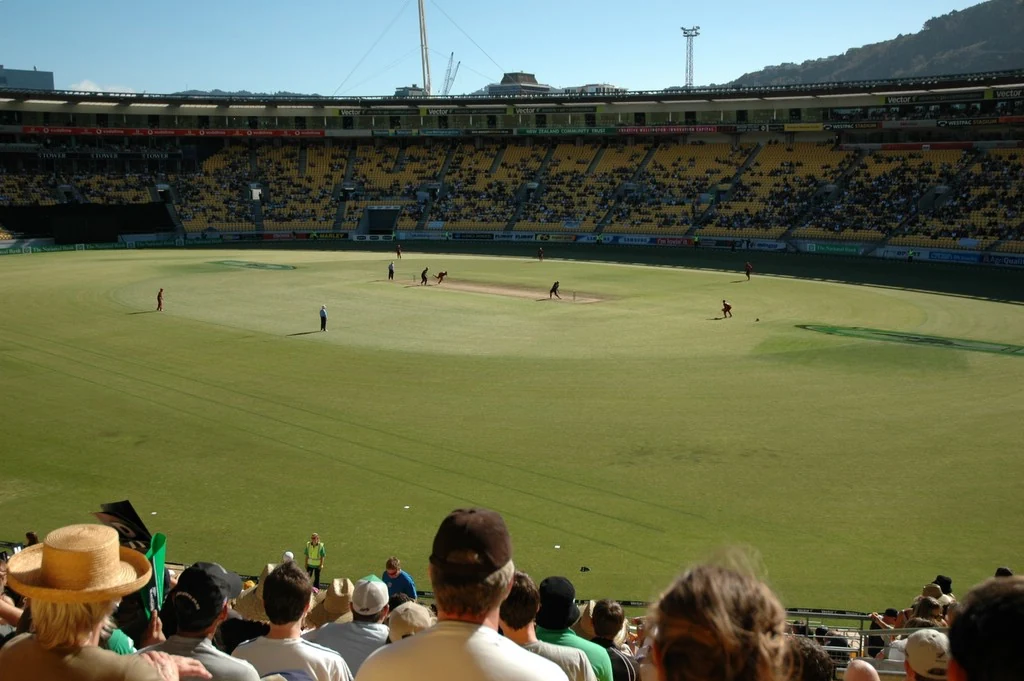
Hnry Stadium, Wellington
T20I guide
Read the Hnry Stadium, Wellington T20I guideArchive photo: arriba / Flickr via Wikimedia Commons · CC BY 2.0 · WebP conversion, no crop. Licence: https://creativecommons.org/licenses/by/2.0/
Eden Park, Auckland
T20I guide
Read the Eden Park, Auckland T20I guideOriginal PitchVaani editorial illustration; not a real venue or identified-player photograph.

Seddon Park, Hamilton
T20I guide
Read the Seddon Park, Hamilton T20I guideOriginal PitchVaani editorial illustration; not a real venue or identified-player photograph.