
Raipur Stadium Boundary Length: The Dated Reference
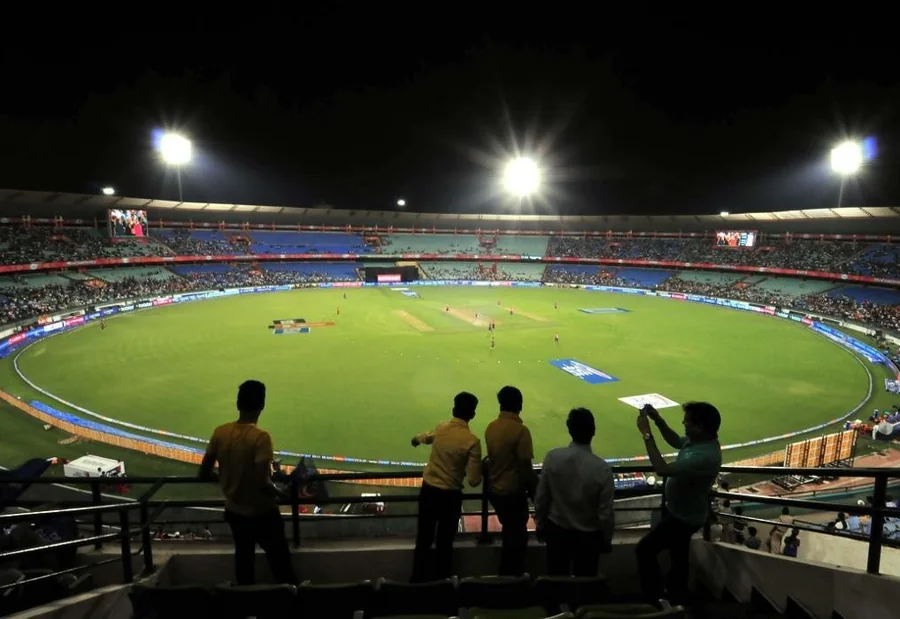
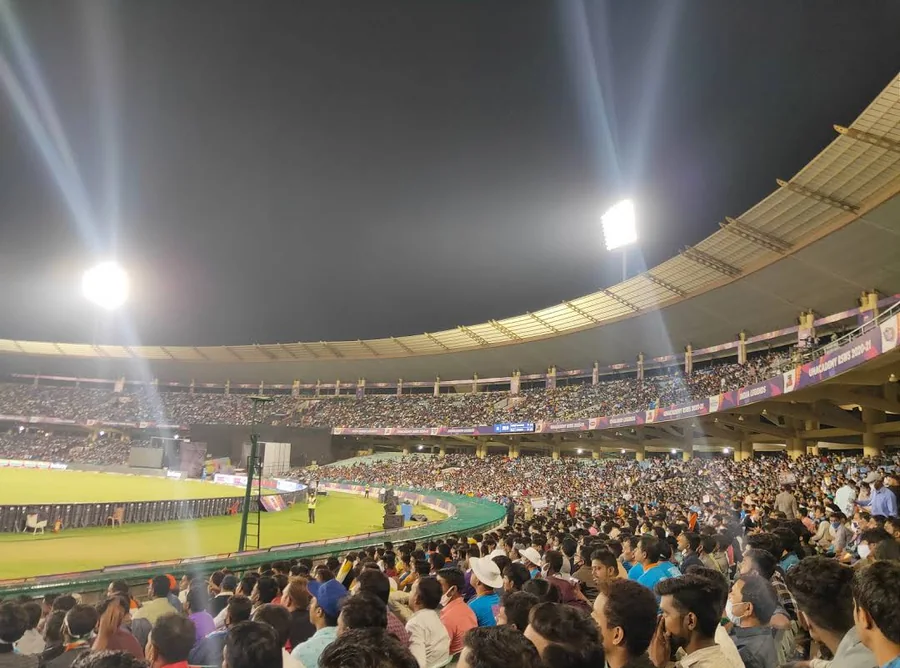
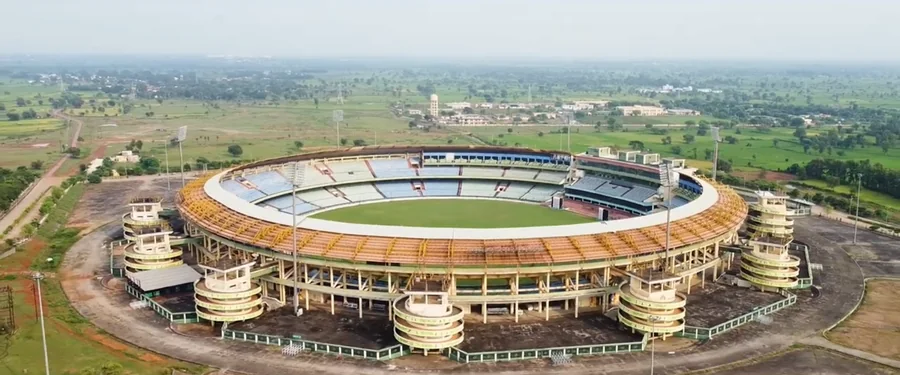
Raipur stadium boundary length is best treated as a dated match reference, not a permanent survey. In ESPNcricinfo's report for the India–New Zealand men's second T20I in Raipur on 23 January 2026, the two square boundaries were listed as 68 metres and the straight boundary as 75 metres. The report says the pitch was in the middle of the ground. Those figures are not verified rope distances for the India Women vs Zimbabwe Women fixture on 18 October 2026.
For the women's fixture, check the broadcast graphic after the rope and pitch are set. The scheduled match check is 18 October 2026 at 7:00 PM IST; current women's straight and square dimensions were not confirmed in the available evidence.
Reported for the India–New Zealand men's 2nd T20I in Raipur on 23 January 2026.
The same 23 January 2026 men's T20I report lists both square boundaries at this distance.
India vs New Zealand, men's 2nd T20I at Raipur; not a women's match measurement.
No official/current women's broadcast boundary graphic was available in the checked evidence.
Why the date stays on every number: The ESPNcricinfo toss report, published on 23 January 2026, describes the men's India–New Zealand second T20I: 68 m square and 75 m straight. It is a useful observed reference for this ground, but it is not a permanent survey and does not confirm the women's 18 October ropes.
Straight and Square Boundary Reference
The two measurements answer different directional questions. Straight means from the pitch centre toward the bowler's end or the opposite end. Square means toward the off-side or leg-side regions beside the pitch. A distance to the rope is not the full width of the ground or the area of the stadium complex.
| Direction | Distance | Evidence status |
|---|---|---|
| Straight | 75 m | Observed in the ESPNcricinfo toss report for India vs New Zealand, men's 2nd T20I, 23 January 2026. |
| Square | 68 m | Observed in the same dated report; it says both square boundaries were 68 m from the middle. |
What the Directions Mean for Hitting
A batter does not hit into a single, permanent circle. The selected strip, rope position and exact shot angle all matter. These two compact guides keep the dated references in their proper place.
A lofted drive or hit over the bowler travels toward the straight rope. The 75 m figure is the dated men's-match reference, not a guarantee that every straight boundary on 18 October will be 75 m.
Pulls, cuts and sweeps travel toward square regions. The 68 m reference applies to the 23 January 2026 men's fixture; the actual rope can change with pitch and placement.
Raipur Ground-Size Diagram: How to Read It
The visual below is a teaching aid. It uses an ellipse and a central pitch to show orientation, not to claim that the stadium has this exact outline. The 68 m and 75 m labels belong to the dated men's fixture and should not be read as current women's ropes.
Why the Rope Can Change
Boundary ropes are set for a particular match. The strip in use can move the pitch relative to the playing area, while rope placement can alter the distance in individual directions. That is why a broadcast boundary graphic is more useful for the women's fixture than a number copied from a January men's match.
For match context, pair this page with the Raipur pitch report and the women's second-T20I hub. The Raipur match-day weather report can add conditions, while the Raipur stadium train guide covers arrival planning. For venue basics, see the Shaheed Veer Narayan Singh International Cricket Stadium overview.
Does Boundary Length Tell You the Six Distance?
No. A six is the result of a particular delivery and shot. Timing, bat speed, launch angle, wind, contact quality and the actual rope distance all affect whether the ball clears the boundary. The 68 m and 75 m figures describe reference distances to the rope, not the length of a famous six and not a prediction of how many sixes a batter or team will hit.
Use the match-day graphic for a shot-by-shot discussion. Avoid treating a dated reference as a guarantee for the women's game on 18 October at 7:00 PM IST.
Frequently Asked Questions
Are Raipur stadium boundaries a fixed size?
No. The 68 m square and 75 m straight figures are dated references from the men's India–New Zealand second T20I on 23 January 2026. Rope placement and the selected pitch can change the match-day distances.
What is the exact boundary for the 18 October 2026 women's match?
It was not confirmed in the available evidence. Check the official or broadcast boundary graphic once the women's fixture begins; do not substitute the January men's reference.
Is the Raipur six distance 68 m or 75 m?
Neither number is a six-distance record. They are centre-to-rope references for square and straight directions in the dated 23 January 2026 men's fixture. A six can travel farther than the rope and depends on the shot.
What is the difference between straight and square boundary distance?
Straight is measured from the pitch centre toward the ends of the pitch. Square is measured toward the side regions beside the pitch. The two directions can have different rope distances.